
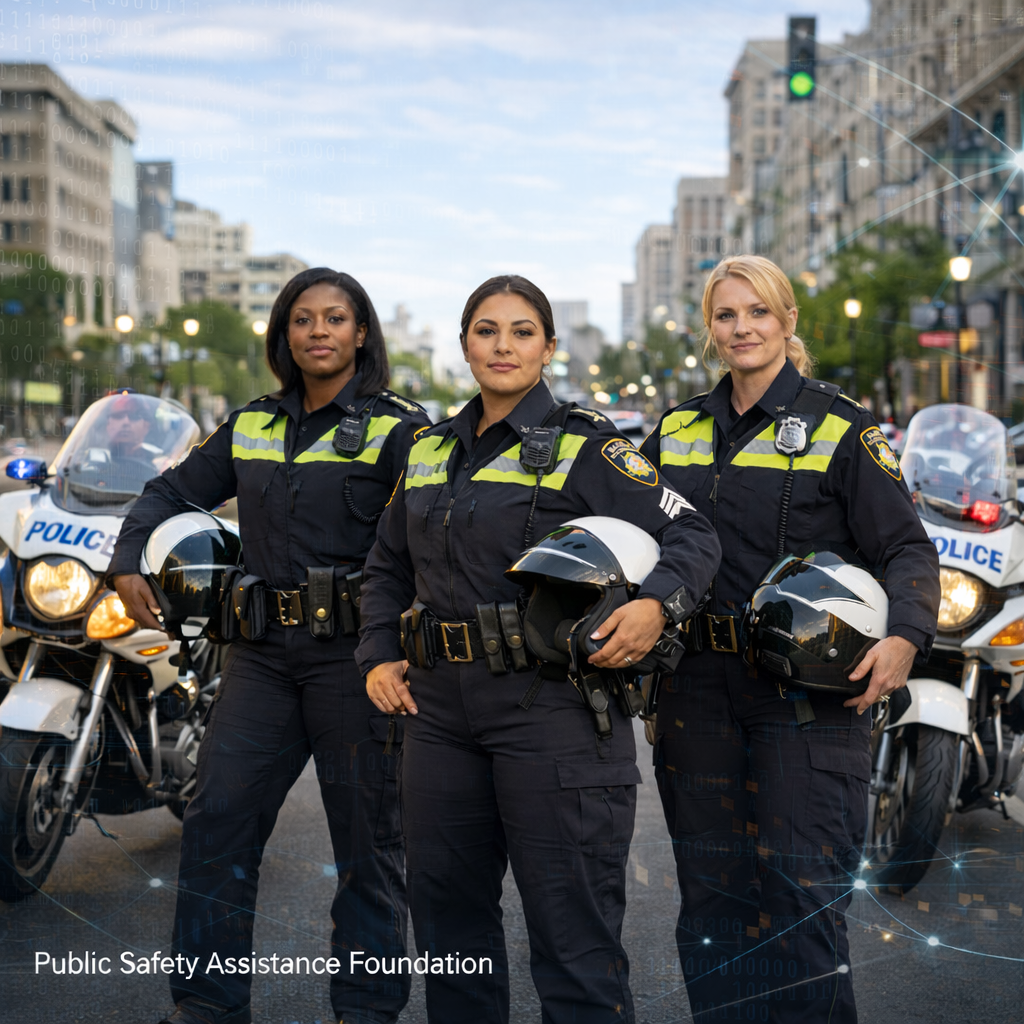
When Lt. Evertina Halfacre joined the Memphis Police Department in 1986, she did not set out to become a trailblazer. Like many people entering law enforcement, she simply needed a job and an opportunity to support her family. But over the course of nearly four decades, her career would become something far larger.
Halfacre went on to achieve several milestones within the department. She became the first woman assigned to the department’s Drug Interdiction Unit, one of the first two women to serve in its Color Guard, and eventually the first and only female motorcycle officer and supervisor in the Motorcycle Squad.
After nearly 40 years of service, she recently retired from full-time duty, leaving behind a legacy that continues to inspire the next generation of law enforcement officers.
Stories like hers highlight how far the profession has come in expanding opportunities for women. They also reveal an important reality that deserves more attention: the unique safety and privacy challenges female officers often face in today’s digital world.
Women in Law Enforcement: A Profession That Continues to Evolve
For much of the 20th century, law enforcement was overwhelmingly male. Women served in limited roles, often assigned to administrative duties or cases involving juveniles and families.
Over time, those barriers began to fall. Departments gradually opened specialized units, leadership roles, and operational assignments to female officers. Today, women serve in nearly every area of policing.
Female officers patrol city streets, investigate complex crimes, lead specialized task forces, and command major departments.
The career of Lt. Halfacre reflects that progress.
When she joined the Memphis Police Department in the mid-1980s, opportunities for women were still limited. Even joining specialized units could be challenging. Yet she eventually proved that gender had nothing to do with capability.
One of the most demanding milestones she achieved was joining the motorcycle unit. The qualification process required lifting and maneuvering a motorcycle weighing roughly 900 pounds, a test designed to ensure officers could safely operate the equipment in real-world conditions.
She passed the test and went on to become not just a rider, but a supervisor within the unit.
Her story demonstrates something important: policing is a profession where determination and skill matter far more than stereotypes.
Leadership That Inspires the Next Generation
Trailblazers often do not realize the impact they are having while they are still doing the work.
Yet throughout her career, Lt. Halfacre became an example for younger officers and community members alike. She participated in public events, traffic enforcement assignments, and community outreach programs. She also frequently emphasized the importance of building relationships with the people officers serve, especially young people.
Those interactions matter.
For many children and young adults, the first time they meet a police officer who looks like them can change how they view their own future. Seeing women succeed in demanding law enforcement roles helps expand what young people believe is possible.
This influence extends beyond recruitment. It also strengthens trust between departments and the communities they serve.
Community engagement is one of the most powerful tools policing has for building relationships and improving public safety.
But visibility in the community brings another factor into the equation: visibility online.
The Unique Digital Risks Female Officers Face
The internet has changed the way personal information circulates in society.
People-search websites, data broker platforms, and online public records have made it easier than ever to locate someone’s personal details. A simple search can sometimes reveal addresses, phone numbers, relatives, and other identifying information.
For law enforcement officers, that level of exposure can create serious safety concerns.
Female officers often experience additional risks.
Studies and real-world incidents have shown that women in public-facing professions are more likely to encounter online harassment, stalking, and targeted threats. When someone’s role involves enforcing the law, those risks can increase further.
An arrest, citation, or investigation can lead a disgruntled individual to search for personal information about the officer involved.
In some cases, that search may reveal far more information than expected.
Data broker websites often compile records from dozens of sources. Once personal information appears on one site, it can quickly spread to many others.
For officers with families, the risks can extend beyond the individual officer.
Home addresses, relatives, and household information can sometimes appear in online listings. This type of exposure can affect spouses, children, and other family members who never chose to work in law enforcement but share the realities of the profession.
The Intersection of Visibility and Vulnerability
Modern policing encourages officers to be visible and engaged with their communities.
Departments host outreach programs, youth mentorship events, neighborhood meetings, and public safety demonstrations designed to strengthen relationships with residents.
Female officers often play an important role in these initiatives. Their presence can help broaden representation and create stronger connections with community members.
But the more visible officers become in public settings, the more likely it is that someone will search for them online.
Most of the time, that curiosity is harmless.
However, the internet does not differentiate between curiosity and malicious intent.
A person who simply wants to learn more about an officer and a person who intends to cause harm may begin with the exact same online search.
That reality makes managing online privacy increasingly important for law enforcement officers of all backgrounds.
Understanding the Scope of the Problem
Many officers are surprised when they discover how much personal information about them already exists online.
Data broker websites gather information from property records, marketing databases, and public documents. They then organize that information into searchable profiles.
These profiles can sometimes include:
- Home addresses
- Phone numbers
- Relatives and household members
- Previous residences
- Property ownership records
Removing that information can be challenging because it often appears across dozens of different websites.
Addressing the problem requires identifying where the information exists and submitting removal requests through multiple platforms.
Without a coordinated effort, listings can remain visible for years.
Why Online Privacy Matters for Officer Safety
Traditional discussions about officer safety often focus on equipment, training, and situational awareness.
Those elements remain critical.
However, the modern digital landscape has added another dimension to officer safety: personal information protection.
When sensitive details about an officer’s life are widely accessible online, it can increase the risk of harassment, intimidation, or unwanted contact.
Reducing that exposure helps restore an important boundary between an officer’s professional role and their personal life.
For female officers who already face heightened visibility and scrutiny in many environments, protecting that boundary becomes even more important.
Learning from Leaders Like Lt. Halfacre
The story of Lt. Evertina Halfacre is ultimately a story about perseverance.
She entered the profession at a time when female officers were still breaking new ground. Over the next 39 years, she proved that determination and commitment can overcome barriers that once seemed permanent.
Her career shows how far law enforcement has come in expanding opportunities for women.
At the same time, the profession continues to evolve.
Today’s officers face challenges that did not exist decades ago. The digital environment has created new forms of exposure and risk that departments are only beginning to address.
Recognizing those challenges is the first step toward solving them.
Invest in Privacy for Cops
Personal information frequently appears on people-search and data broker websites that compile records from a wide range of sources. Because this information can spread across dozens of platforms, identifying and addressing those listings often requires ongoing monitoring and coordinated removal efforts.
Privacy for Cops helps law enforcement officers reduce that exposure by submitting and managing removal requests on their behalf.