
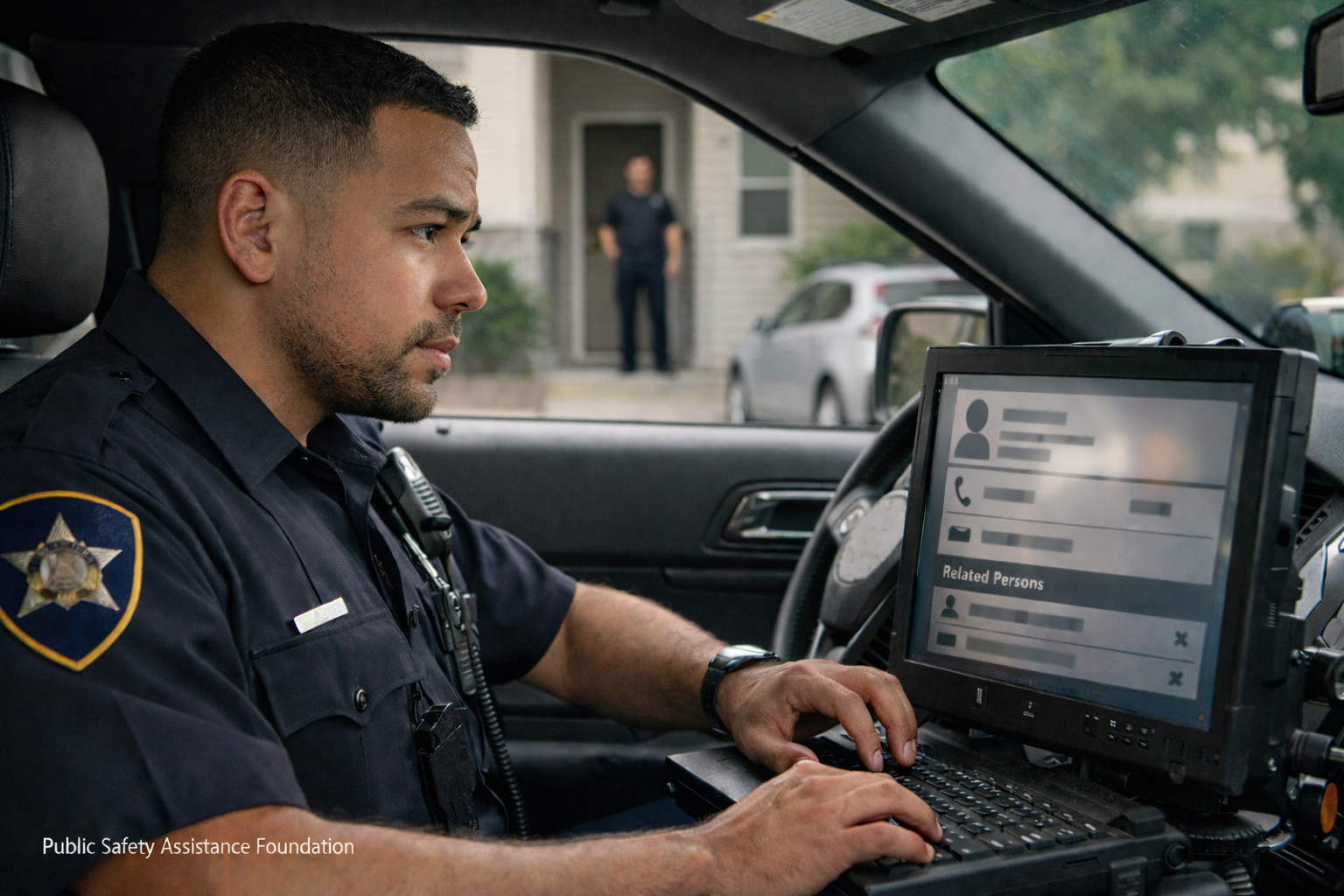
Why “Routine” Is One of the Most Dangerous Words in Policing
Spend enough time in patrol, and one truth becomes clear: there is no such thing as a routine call.
What starts as a noise complaint can turn into a confrontation. A simple traffic stop can escalate in seconds. Even the most experienced law enforcement officer knows that unpredictability is part of the job.
That is why veteran officers don’t rely on luck. They rely on habits.
Not complex tactics or once-a-year training exercises, but small, repeatable behaviors practiced every day. These habits shape how officers think, how they react, and ultimately, how they stay safe.
They are built over time, reinforced through experience, and trusted when it matters most.
But while these habits are essential, there is a growing gap in how safety is defined.
Because today, officer safety doesn’t just begin when the call comes out over the radio.
It begins long before that.
The Habits Veteran Officers Never Ignore
Ask seasoned officers what matters most, and you won’t hear about flashy techniques or high-risk scenarios. You’ll hear about discipline, awareness, and consistency.
These are the habits that quietly make the biggest difference:
Thinking Ahead—Before You Arrive
Experienced officers don’t wait to see what happens. They run scenarios in their mind on the way to every call.
- What could this turn into?
- Where are the risks?
- What am I not seeing yet?
This kind of mental preparation creates a tactical advantage before the first step out of the patrol vehicle. It allows officers to respond instead of react, and to stay one step ahead in situations that can change quickly.
Staying Emotionally Grounded
Calls can be chaotic, tense, and unpredictable. The ability to control emotion under pressure is not optional. It is critical.
Veteran officers understand that emotional reactions can cloud judgment. Staying calm allows for clearer thinking, better communication, and more controlled outcomes.
This is especially important in situations where tension is high and decisions must be made in seconds. Emotional discipline becomes a form of protection.
Watching What Matters Most
One of the most repeated pieces of advice across the profession is simple:
Watch the hands.
Hands reveal intent. Hands move quickly. Hands change outcomes.
Maintaining visual focus on what matters most is a habit that keeps officers grounded in the moment and aware of potential threats before they fully develop.
Slowing Down When It Counts
There is a natural instinct to move fast, especially when adrenaline is high. But experienced officers know when to slow things down.
Taking an extra second to assess, reposition, or communicate can prevent mistakes that happen when situations move too quickly.
That pause, however brief, can create clarity in an otherwise chaotic moment.
Never Trusting the Word “Routine”
Complacency is one of the most dangerous threats in policing.
Veteran officers treat every call with a level of awareness that reflects the reality of the job.
Anything can change, at any time.
And it often does.
The Gap No One Talks About
These habits are powerful. They save lives. They shape how officers operate in the field.
But they all share one limitation. They focus on what happens during the call.
What they don’t address is what happens before the call even begins.
Because today, there is another layer of risk that operates quietly in the background, often unnoticed until it’s too late.
That risk lives online.
And unlike a physical threat, it doesn’t require proximity. It doesn’t require timing. It doesn’t require an active situation.
It simply requires access.
When the Threat Starts Before You Arrive
Think about how much information is accessible with a simple search.
Names. Addresses. Phone numbers. Family connections. Previous residences. Even patterns tied to daily life.
For law enforcement officers and public officials, this information is not just data. It is exposure.
And in the wrong hands, exposure becomes a vulnerability.
Consider this:
An individual involved in a call may already know who is responding. They may have already searched a name, recognized a face, or accessed information that was never intended to be public in a meaningful way.
That changes the dynamics of the interaction before it even begins.
It removes the element of anonymity. It shifts control. It introduces a level of familiarity that can be misused.
How Digital Exposure Undermines Good Habits
Even the strongest patrol habits can be compromised if the foundation is already weakened.
An officer can:
- Think ahead
- Stay calm under pressure
- Maintain situational awareness
- Execute every step correctly
But if someone on scene already has access to their personal information, the risk is no longer limited to the moment.
It expands beyond it.
Pre-Identified Officers
A name is all it takes to unlock a digital trail.
Once identified, an officer’s personal details can be quickly accessed, shared, or exploited. This can happen in real time or after the interaction, extending the risk beyond the original encounter.
Family Exposure
The risk doesn’t stop with the officer.
Family members, home addresses, and personal connections are often publicly available across data broker and people-search sites. This creates an entirely different level of concern, where the impact of exposure reaches into personal lives and households.
Escalation Beyond the Scene
What begins as a single interaction can evolve into something more:
- Harassment
- Targeted threats
- Doxxing
- Ongoing monitoring of personal activity
All of it fueled by information that was never meant to be easily accessible in one place.
The New Reality: Safety Starts Before the Call
Veteran officers are trained to ask one critical question:
What could go wrong?
Today, that question needs to be expanded.
- What if someone already knows who you are before you arrive?
- What if your personal information is one search away?
- What if your family’s information is just as accessible?
These are no longer theoretical concerns. They are part of the environment officers operate in every day.
And ignoring them creates a blind spot that traditional habits were never designed to address.
Redefining “Good Habits” in a Digital World
If habits are what keep officers safe, then those habits must evolve.
The definition of preparedness can no longer be limited to physical presence and on-scene awareness.
It must include digital awareness.
Understanding Your Online Exposure
Knowing what information exists about you online is no longer optional.
It is a foundational step in reducing risk and understanding where vulnerabilities may exist.
Recognizing How Fast Information Spreads
Information that appears in one place rarely stays there.
It is aggregated, duplicated, and shared across hundreds of sites, often without awareness or consent. This makes exposure more widespread and more difficult to control over time.
Accepting That Exposure Changes Over Time
Even if information is removed once, it can reappear.
New data is constantly collected, updated, and redistributed. That means protection is not a one-time action. It requires ongoing attention and consistent management.
Beyond the Badge: When the Shift Ends, the Risk Doesn’t
One of the most overlooked aspects of digital exposure is how it follows officers beyond their shift.
At home. With family. In everyday life.
The same level of awareness applied on patrol is rarely extended to online presence, yet the risk remains just as real.
In many cases, it becomes more personal.
Because it is no longer just about the officer. It is about the people connected to them, the places they go, and the routines they follow.
That is what makes digital exposure different. It does not stay confined to a single moment or location.
Bridging the Gap Between Awareness and Protection
The profession has done an exceptional job emphasizing physical safety habits.
But the environment has changed.
Information is easier to access. Technology moves faster. Exposure is more widespread than ever before.
That means the approach to safety must evolve alongside it.
Recognizing the risk is the first step.
Taking action to reduce it is what creates meaningful protection, both on and off the job.
Take Control of What’s Already Out There
The habits that keep officers safe on the street are built on preparation, awareness, and consistency.
The same principles apply online.
Your information may already be accessible across data broker and people-search sites, whether you realize it or not. The difference today is that access to that information can happen in seconds.
See what information about you may already be visible online, and take the first step toward having it professionally removed and continuously monitored with Privacy for Cops.
Because real safety doesn’t start when the call comes in.
It starts long before that.
Exclusive Privacy Plans