
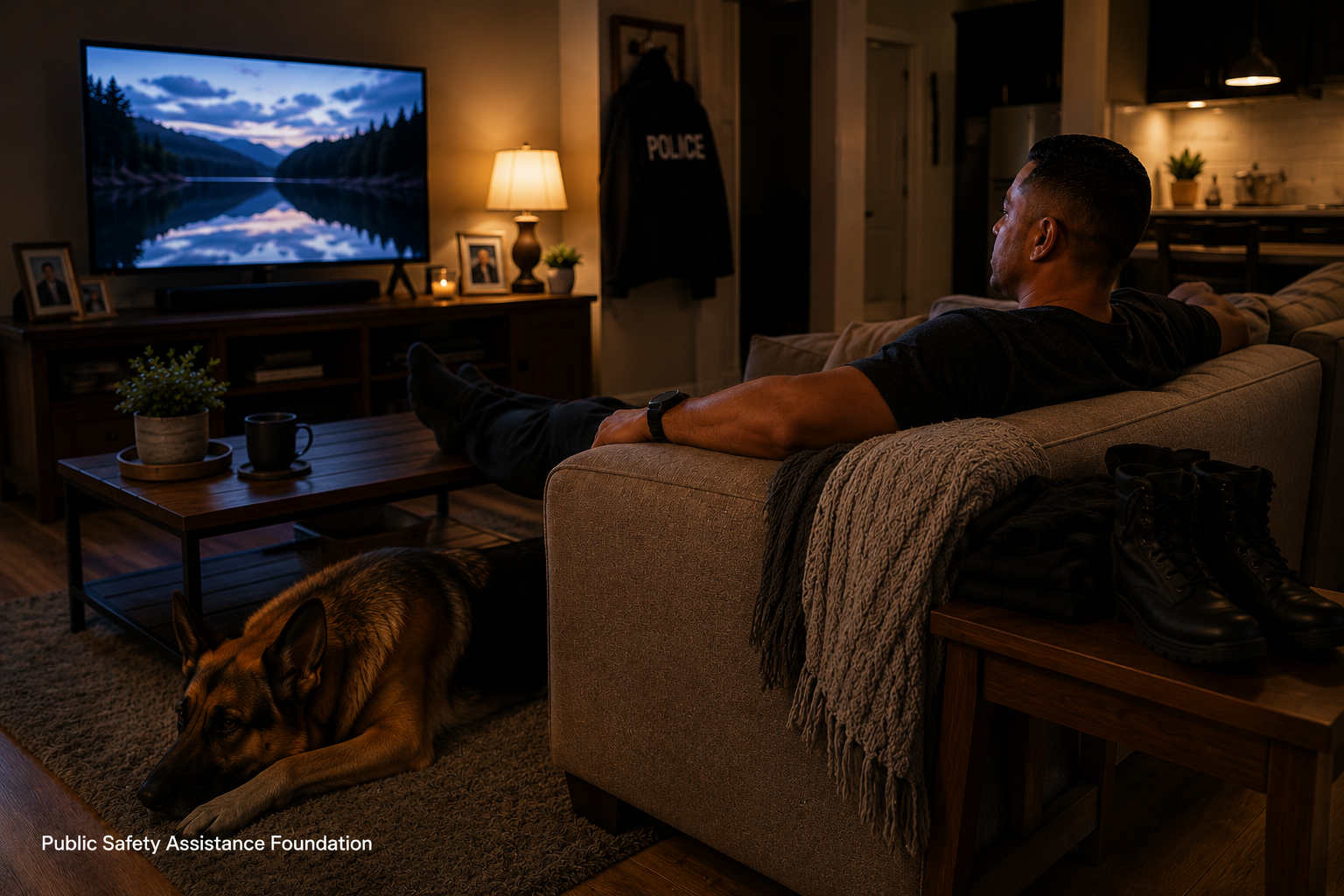
For many people, the word “privacy” can sound extreme.
Some assume it means disappearing from the internet entirely. Others associate it with secrecy, isolation, or avoiding public accountability.
But for law enforcement officers, public officials, and their families, online privacy is often something much simpler.
It is about boundaries.
It is about reducing unnecessary exposure in a world where personal information spreads faster and farther than most people realize.
And most importantly, it is about protecting the ability to live a normal life away from public-facing responsibilities.
The Internet Was Not Designed With Boundaries in Mind
Over the last two decades, personal information has become easier to access, copy, and distribute than ever before.
Addresses, phone numbers, relatives, property records, photographs, usernames, and location history can appear across dozens of websites without a person ever intentionally publishing them.
Many people do not realize how quickly information replicates once it enters the online ecosystem.
One public record becomes dozens of searchable listings.
One social media post becomes screenshots.
One tagged photo becomes searchable facial recognition data.
One old address remains archived long after a family has moved.
The issue is not always a single post or website.
It is the accumulation.
Over time, small pieces of publicly available information can begin forming a detailed picture of someone’s personal life. A routine becomes easier to predict. Family relationships become easier to identify. Locations become easier to trace.
For law enforcement officers and public officials, that visibility can create unnecessary stress both on and off duty.
And in many cases, exposure happens quietly.
There is no alert when information is copied onto another website.
No notification when an old photograph resurfaces.
No warning when multiple online details begin connecting together into a larger profile.
That is part of what makes digital exposure difficult to manage. Much of it happens passively in the background of everyday life.
Reducing Exposure Is Not the Same as Hiding
There is an important distinction between public service and unrestricted personal exposure.
Law enforcement officers understand that their work exists within public view.
Transparency and accountability are part of serving a community.
But transparency should not require unlimited access to someone’s private life.
There is a difference between knowing an officer serves the community and being able to easily locate their home address, family members, personal phone number, or daily routines online.
Privacy is not about disappearing from society.
It is about limiting unnecessary access to information that was never intended to become part of public consumption.
Most people already practice forms of privacy every day:
- They close blinds at night
- They lock their front doors
- They use passwords on their devices
- They choose which parts of their lives remain personal
Online privacy follows the same principle.
Healthy boundaries offline should still exist online.
The reality is that most people do not share every detail of their lives with strangers in person. They naturally create separation between public interactions and private spaces.
Digital life should be no different.
Choosing to reduce unnecessary exposure is not extreme. It is reasonable.
It is a practical response to an environment where information travels quickly, remains searchable for years, and can easily spread beyond its original audience.
The Problem With Constant Replication
One of the biggest challenges today is that information rarely stays in one place.
A single database entry may spread across dozens of people-search websites.
Old information can remain cached, archived, reposted, or copied onto new platforms years later.
Even when content is removed from one source, it may continue circulating elsewhere.
This is why online privacy is often less about perfection and more about reduction.
Reducing exposure matters because it limits accessibility.
It slows replication.
It decreases the likelihood that personal information becomes easily searchable by strangers.
And in many cases, it reduces the volume of information available to individuals with harmful intent.
For families, that reduction can create meaningful peace of mind.
It can also help restore a greater sense of control.
Many people feel overwhelmed when they first realize how much personal information exists online. The internet can make exposure feel permanent and unavoidable.
But meaningful improvements are still possible.
Reducing visibility across multiple websites, limiting unnecessary sharing, and proactively managing exposure can significantly decrease how accessible personal information becomes over time.
The goal is not perfection.
The goal is creating healthier boundaries in a digital environment that often encourages overexposure.
Public Service Should Not Eliminate Private Life
One of the most overlooked realities of public-facing work is that exposure rarely affects only the individual.
Families often absorb the impact as well.
Spouses may worry about personal information appearing online.
Children may unknowingly appear in public photos, tagged posts, sports rosters, or school-related websites.
Homes, neighborhoods, and routines can become easier to identify through small digital breadcrumbs spread across multiple platforms.
Over time, that visibility can create a feeling that work responsibilities never fully stay at work.
That emotional weight can quietly follow families into ordinary moments:
- A dinner out
- A child’s sporting event
- A vacation photo
- A simple social media post
Things that once felt routine can begin carrying additional considerations about visibility and exposure.
But everyone deserves separation between professional responsibilities and personal life.
Home should still feel like home.
Time off should still feel personal.
Families should still be able to enjoy ordinary moments without wondering how much of their lives are searchable online.
Creating healthier online boundaries helps restore some of that separation.
It allows families to feel less exposed and more grounded in the spaces that matter most.
Privacy Supports Peace of Mind
Many conversations about online privacy focus only on threats.
But one of the most important benefits is often emotional.
Reducing unnecessary exposure can help people feel more comfortable, more secure, and more in control of their personal information.
That peace of mind matters.
It matters for the officer trying to disconnect after a difficult shift.
It matters for the spouse who wants greater confidence about what information is publicly accessible.
It matters for families trying to maintain a sense of normalcy in an increasingly searchable world.
Privacy is not fear-based.
In many ways, it is wellness-based.
It allows people to establish healthier boundaries between public responsibilities and private life.
And while privacy cannot remove every risk, it can reduce the constant feeling of overexposure that many public-facing professionals experience online.
There is value in knowing fewer personal details are easily accessible.
There is value in reducing unnecessary visibility.
And there is value in creating space where people can simply exist as themselves outside of their profession.
Small Steps Still Matter
Online privacy does not require someone to completely disconnect from technology or stop participating in everyday life.
It often begins with smaller, intentional decisions:
- Reviewing what information is publicly available
- Reducing unnecessary oversharing
- Removing personal data from people-search websites
- Limiting location exposure
- Being more aware of how information spreads and replicates online
Small reductions in exposure can create meaningful long-term benefits.
And while no system is perfect, proactive privacy efforts can significantly reduce the accessibility of personal information over time.
Consistency matters more than perfection.
The internet changes constantly.
New websites appear.
Old information resurfaces.
Data continues moving between platforms.
That is why privacy is often an ongoing process rather than a one-time fix.
But even gradual improvements can make a meaningful difference for individuals and families trying to create healthier digital boundaries.
Protecting Boundaries in a Hyper-Connected World
The internet has made it easier than ever to remain connected.
But constant connection should not eliminate the right to personal boundaries.
Law enforcement officers and public officials dedicate their careers to serving others in highly visible roles. That visibility may come with responsibility, but it should not require unrestricted access to every aspect of someone’s personal life.
Privacy is not about disappearing.
It is not about secrecy.
And it is not about avoiding accountability.
It is about protecting the ability to live peacefully outside of work, maintain healthier separation between public service and private life, and reduce unnecessary exposure in an increasingly searchable world.
The Public Safety Assistance Foundation continues working to support law enforcement officers, public officials, and their families through nonprofit privacy services. We focus on reducing online exposure and limiting the spread of personal information across data broker and people-search websites.
Everyone deserves the ability to return home, disconnect from public visibility, and feel a greater sense of peace in the moments that matter most. Learn more about us and sign up for service today!