
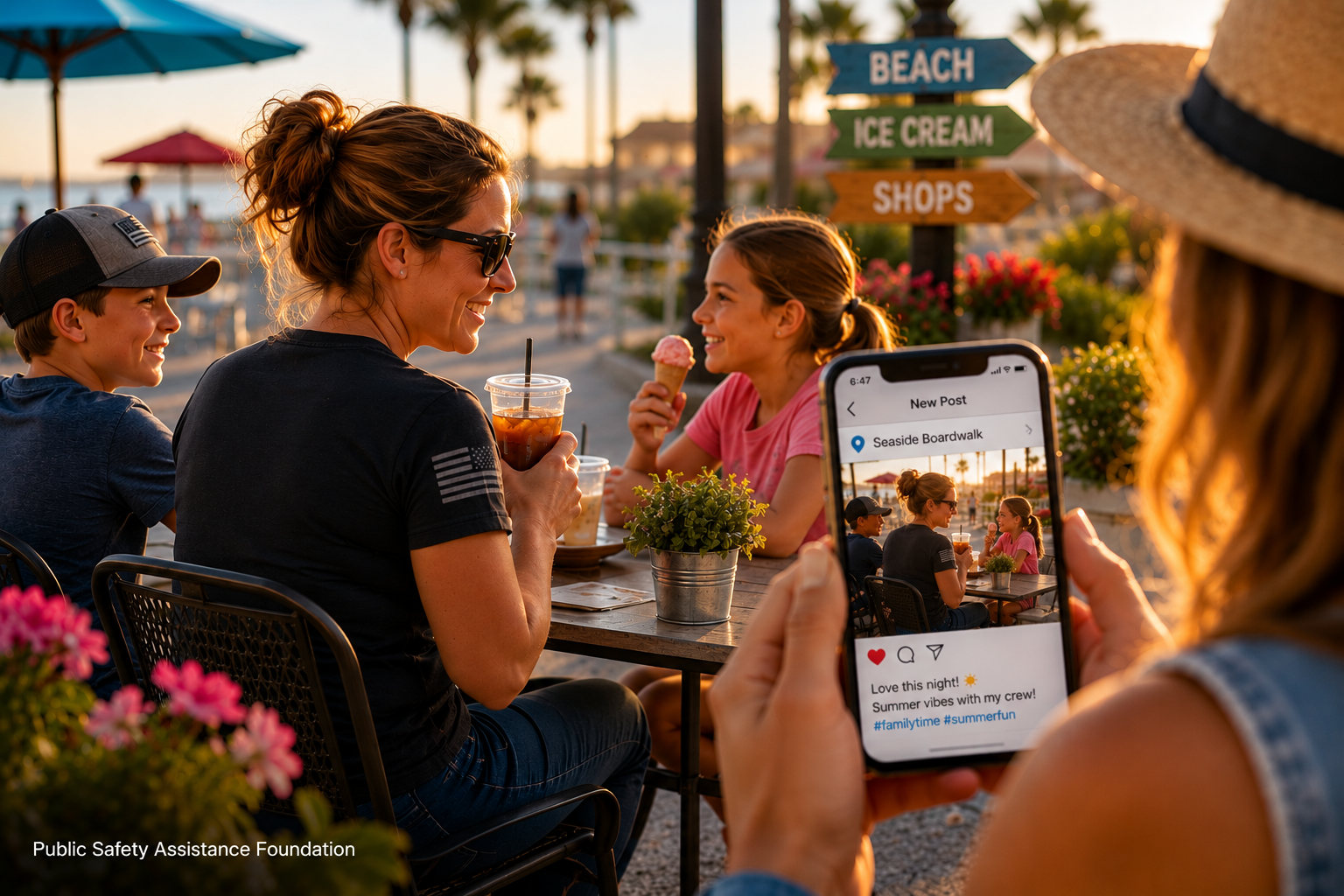
Why Seasonal Changes Matter More Than People Realize
As May comes to a close, summer routines are beginning to take shape.
Schools are wrapping up for the year. Families are planning vacations. Weekend calendars are filling with tournaments, graduations, concerts, camps, and community events. People spend more time outdoors, travel more frequently, and naturally share more moments online.
For many families, it is one of the best times of the year.
But summer also changes something else that often goes unnoticed:
Online visibility.
For law enforcement officers, public officials, and their families, seasonal routine changes can unintentionally create additional exposure online. Not because someone is doing something reckless or irresponsible, but because summer naturally creates more opportunities for personal information, routines, and locations to become visible over time.
Most exposure does not happen all at once.
It develops gradually through patterns, shared moments, public interactions, and repeated visibility across multiple platforms:
- A vacation photo here
- A location tag there
- A youth sports schedule posted publicly
- A family member sharing a weekend outing
Individually, these details may seem insignificant. Together, they can begin creating a clearer picture of someone’s personal routines and private life.
That is why summer deserves a different level of awareness.
Summer Creates More Public Visibility
Summer activities naturally place more of daily life into public view.
Families travel more often. Children participate in camps and sports programs. Outdoor dining, festivals, concerts, and community events increase. Photos and videos are shared constantly through social media, livestreams, neighborhood groups, and messaging platforms.
Most of this sharing is completely well-intentioned.
People are documenting memories, celebrating milestones, and staying connected with friends and family.
The concern is not about enjoying life or sharing positive experiences.
The concern is how quickly repeated visibility can accumulate online.
- A single photo may reveal a neighborhood landmark
- Another may show a child’s school logo or sports team name
- A tagged location may identify where someone spends weekends
- A public comment may reveal when a family is traveling or away from home
- Over time, unrelated pieces of information can begin connecting themselves
This matters even more for police officers where visibility already exists at a higher level.
The Internet Pays Attention to Patterns
One of the biggest misconceptions about online privacy is believing exposure only happens when highly personal information is intentionally shared.
In reality, online exposure is often built through patterns:
- Repeated check-ins
- Routine locations
- Consistent schedules
- Visible landmarks
- Frequent travel habits
- Even casual posts can slowly establish predictable routines over time
Summer tends to amplify those patterns because people become more relaxed about sharing daily activities in real time. Vacations, road trips, beach days, concerts, and family outings often feel temporary in the moment, but online platforms preserve those details much longer than many people realize:
- Screenshots can circulate
- Posts can be reshared
- Cached pages can continue appearing in search results
- Public accounts remain searchable
- Location tags stay attached to images long after the original moment has passed
- Even deleted content does not always fully disappear
For law enforcement officers and public officials, these patterns can become especially important because online visibility rarely stays limited to the intended audience.
Family Exposure Often Happens Indirectly
One of the most overlooked parts of online privacy is how often exposure comes through family members, friends, or public organizations rather than the individual directly.
Summer activities increase those opportunities significantly.
Youth sports leagues post schedules and photos.
Camp organizations publish highlights online.
Friends tag group photos at restaurants or events.
Relatives share travel updates publicly.
Community pages upload event coverage in real time.
Most people participating in these posts have positive intentions. They are sharing moments they are proud of or excited about.
But exposure does not require malicious intent to create risk.
A family may work carefully to maintain boundaries online while someone else unintentionally reveals identifying details through a simple post or photo.
Over time, those small details can become easier to connect:
- Names
- Locations
- Children’s activities
- Travel timelines
- Vehicle information
- Neighborhood references
This is one reason online privacy should be viewed as a long-term household conversation rather than an individual responsibility alone.
The Pressure to Share in Real Time
Social media has created an environment where many people feel pressure to document experiences while they are happening.
Vacations are posted before the trip even ends.
Concerts are livestreamed live from the venue.
Family outings are tagged immediately.
Photos are uploaded without reviewing the background details visible behind them.
The speed of sharing often leaves little time to think about how much information is actually being revealed.
Sometimes the exposure is not even in the main image itself.
It appears quietly in the background:
- Street signs
- License plates
- House numbers
- Parking permits
- Children’s uniforms
- Airline boarding passes
- Reflections in windows or mirrors
- Recognizable landmarks
Summer environments naturally increase this kind of visibility because more time is spent in public spaces where identifying details are harder to control.
Again, the goal is not fear.
The goal is awareness.
Travel Season Can Reveal More Than Expected
Summer travel creates another layer of visibility that many people do not immediately consider.
Airports, hotels, vacation rentals, road trips, and tourist destinations naturally encourage people to share updates online.
Photos are posted in real time.
Boarding passes appear in social media stories.
Resort locations become tagged publicly.
Families announce travel plans before leaving home.
Most people view these posts as harmless vacation updates.
The problem is that travel-related content can unintentionally reveal far more information than expected:
- A single airport photo may confirm someone is out of town
- A hotel tag may narrow down a current location
- A public countdown post may reveal exactly when a home will be unoccupied
- Even simple comments like “finally heading home tomorrow” can establish timelines that strangers never needed to know
For law enforcement officers and public officials, this becomes especially important because public visibility already exists at a higher level than it does for the average person. The goal is not secrecy. The goal is limiting unnecessary exposure that can make routines, absences, or family activity easier to follow online.
Summer travel also increases the likelihood of appearing in other people’s content.
A family may choose not to post vacation details themselves, while friends or relatives unknowingly share identifying information publicly through group photos, tagged locations, or public comments.
That is part of what makes digital exposure difficult to control once information begins circulating.
Children’s Activities Often Create Unexpected Exposure
Summer also places children’s schedules and activities into public view more frequently than other times of the year.
Sports tournaments, camps, recreational programs, graduations, and community events often generate large amounts of online content.
Organizations regularly share team photos, participant highlights, schedules, and event locations across websites and social media pages.
Parents naturally want to celebrate important moments in their children’s lives. That instinct is completely understandable.
At the same time, repeated posting can unintentionally create a detailed timeline of family routines and locations:
- Uniforms may reveal schools or organizations
- Tournament schedules may identify where families will be throughout an entire weekend
- Photos may show recurring locations or recognizable landmarks
- Even hashtags can connect multiple pieces of information together over time
Many families never realize how searchable this information becomes once it spreads across multiple platforms.
This is why online privacy should not be viewed as fear-based or overly cautious. It is simply about understanding how easily information accumulates online and how quickly small details can become connected.
For families connected to law enforcement officers and public officials, maintaining stronger boundaries around children’s routines and activities can help reduce unnecessary visibility while still allowing families to enjoy important moments together.
Awareness does not mean isolation.
It means being intentional about what becomes permanently public.
Small Adjustments Can Create Stronger Boundaries
Online privacy does not require disappearing from daily life.
It also does not require avoiding family vacations, social gatherings, or public events.
In many cases, small adjustments can significantly reduce unnecessary exposure while still allowing families to enjoy normal activities.
That may include:
- Waiting to post vacation photos until returning home
- Limiting public location tagging
- Reviewing image backgrounds before posting
- Keeping children’s schedules less visible online
- Adjusting privacy settings regularly
- Being selective about public check-ins
- Thinking carefully about what becomes searchable over time
These are not extreme measures.
They are practical boundaries.
For families connected to law enforcement officers, those boundaries can help reduce unnecessary visibility while still preserving the ability to enjoy and share meaningful experiences.
Privacy Is About Boundaries, Not Isolation
Law enforcement officers and public officials already serve in highly visible roles. Communities may recognize their names, vehicles, workplaces, or public responsibilities.
But public service should not require unlimited personal exposure.
Families still deserve privacy.
Children still deserve boundaries.
Homes and routines still deserve protection.
Reducing online exposure is not about withdrawing from society or avoiding normal life experiences. It is about creating healthier separation between professional visibility and personal life.
That separation matters even more during seasons where routines become more public and more predictable.
Summer should feel relaxing.
It should feel restorative.
And with greater awareness, families can enjoy those moments while still protecting the boundaries that matter most.
Turning Awareness Into Action
As summer begins, now is a good time to evaluate how much personal information may already be circulating online and where unnecessary visibility may be increasing.
Small details shared across social media, public databases, and people-search websites can accumulate faster than many families realize.
At Privacy for Cops, we help law enforcement officers, public officials, and their families reduce online exposure through ongoing monitoring and data removal services designed to support long-term privacy protection.
Taking proactive steps before exposure escalates can help create stronger digital boundaries throughout the summer and beyond.
Learn more about our online privacy services and discover how we help protect those who serve their communities both on and off duty.