
What Undercover Assignments Can Teach Every Officer About Managing Online Exposure
Undercover assignments are built on a simple but critical principle: not every piece of information belongs in the same place.
Names may change.
Vehicles may change.
Daily routines often change.
Personal details are carefully guarded, and operational information is shared only on a need-to-know basis. E
very decision is designed to protect the integrity of the assignment while helping reduce unnecessary risk to the officer and others involved.
Even officers who have never worked undercover understand the value of compartmentalization. Throughout law enforcement, sensitive information is routinely separated, protected, and disclosed only when necessary. It is a practice rooted in professionalism, operational awareness, and safety.
Online, however, those carefully managed layers can begin to overlap.
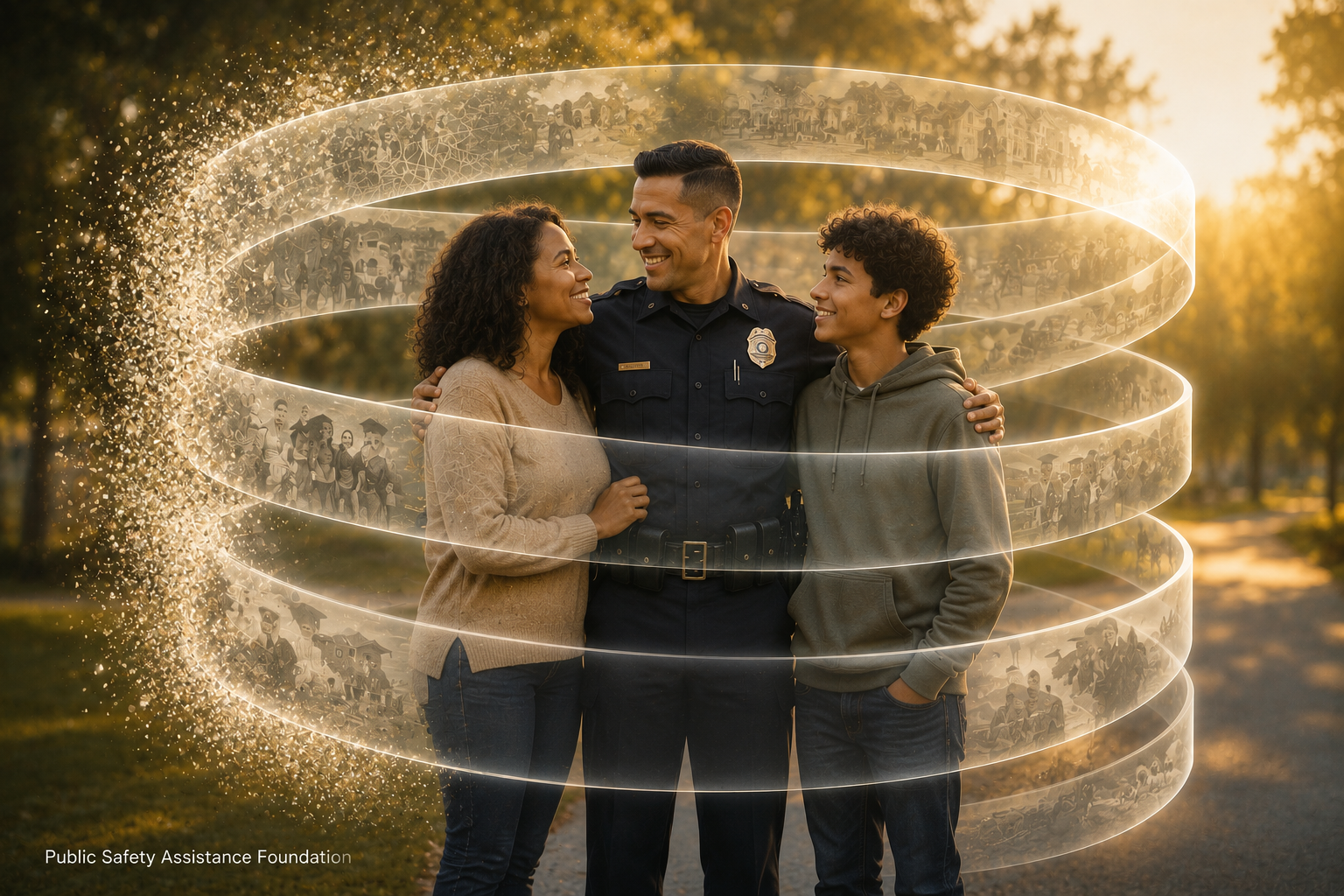
Public records, archived webpages, people-search websites, community organizations, family activities, and social media connections often collect pieces of information over many years. Individually, those pieces may appear harmless. Together, they can begin connecting personal and professional identities in ways that were never intended.
The objective of online privacy is not to erase a person’s identity or make someone invisible. Rather, it is to reduce unnecessary exposure by limiting how easily those layers can be connected over time.
Every Career Leaves a Digital Trail
Most officers begin building an online footprint long before they ever pin on a badge.
College directories.
Sports teams.
Volunteer organizations.
Professional certifications.
Neighborhood associations.
Wedding announcements.
Community events.
Local newspaper stories.
Family photographs.
Years later, additional information often continues accumulating through promotions, charitable involvement, academy graduations, award ceremonies, retirement celebrations, conference attendance, and countless other public references.
Each new mention becomes another layer.
None of these activities are inherently risky. In fact, many reflect positive contributions to the community and milestones worth celebrating.
The challenge is that the internet rarely forgets.
Information published years ago frequently remains searchable long after circumstances have changed.
A webpage that seemed insignificant at the time may still exist in an archive.
A directory created for a volunteer organization may continue appearing in search results.
An old photograph may still include names, locations, or agency affiliations.
Meanwhile, people-search websites continuously gather publicly available information from numerous sources, often connecting addresses, relatives, previous residences, phone numbers, and other identifying details into a single profile.
Over time, these individual references begin forming a much more complete picture.
Undercover Officers Understand Separation
One reason undercover assignments are so effective is that they rely on separation.
Operational responsibilities remain separate from personal life.
Professional identities remain separate from private identities.
Information is intentionally controlled.
That same mindset offers an important lesson for every law enforcement officer.
While most officers will never work in an undercover assignment, every officer benefits when unnecessary connections between personal information and professional responsibilities are reduced.
Online exposure often develops because information from multiple sources begins reinforcing itself.
A charity event lists an officer’s name.
A neighborhood newsletter mentions volunteer work.
A family member shares vacation photographs.
A property record confirms an address.
A people-search website combines those details with additional public information.
None of these pieces tells the whole story.
Together, however, they create a far more detailed profile than most people realize.
The Internet Doesn’t Recognize Career Changes
Law enforcement careers evolve.
Patrol officers become detectives.
Detectives move into specialized units.
Investigators accept assignments requiring greater discretion.
Supervisors assume leadership roles.
Some officers retire while others transition into entirely different professions.
The internet, however, rarely recognizes those changes.
Information published years earlier often remains available regardless of current responsibilities.
An officer who once appeared in community newsletters may later work sensitive investigations.
A public recognition from years ago may continue appearing in search results.
Archived webpages may still identify assignments, organizations, or locations that are no longer relevant.
The digital footprint simply continues existing.
This is one reason ongoing online privacy deserves attention throughout an officer’s career rather than only after a significant life change.
Reducing unnecessary exposure is not a one-time project. New information continues appearing while older information often remains accessible.
Managing that exposure requires ongoing attention.
Family Connections Create Additional Layers
An officer’s online footprint rarely exists alone.
Family members naturally create their own digital presence through school activities, sports, volunteer work, professional achievements, community organizations, and everyday life.
Parents proudly celebrate graduations.
Children participate in athletics.
Spouses volunteer with local charities.
Relatives share family photographs.
Again, none of these activities is problematic by itself.
The challenge arises when search engines, public records, and people-search websites begin connecting these separate pieces into one larger network of relationships.
Someone researching one family member may quickly discover information about several others.
Addresses become associated with relatives.
Previous residences remain searchable.
Family relationships appear alongside additional public records.
What began as independent information gradually becomes interconnected.
Maintaining healthy digital boundaries helps reduce those unnecessary connections while allowing families to continue enjoying everyday life.
Exposure Is Often Unintentional
One of the biggest misconceptions surrounding online privacy is that exposure results only from oversharing.
In reality, many online references are created by someone else.
A community organization publishes a volunteer roster.
A conference posts attendee information.
A local newspaper covers a fundraising event.
An alumni association maintains archived directories.
A government record becomes publicly available.
A family member uploads photographs.
An acquaintance tags someone in a social media post.
None of these examples necessarily reflects poor judgment.
Instead, they demonstrate how online information naturally accumulates over time.
The result is not usually one significant disclosure.
It is dozens or even hundreds of small references that gradually reinforce one another.
This is precisely why reducing unnecessary online exposure focuses on the complete picture rather than any single webpage.
Thinking in Layers Instead of Lists
Many people think about online privacy as a checklist.
Remove one record.
Delete one post.
Update one profile.
While those steps can certainly help, long-term privacy is better understood as managing layers.
Every unnecessary listing removed represents one fewer connection.
Every outdated profile taken offline reduces another reference point.
Every successful removal request helps simplify the overall digital footprint.
Over months and years, those improvements become meaningful.
The objective is not perfection.
The objective is reducing unnecessary opportunities for information to be collected, connected, and redistributed across additional websites.
That gradual reduction helps strengthen the separation between personal life and professional responsibilities.
Why Ongoing Monitoring Matters
Online information is constantly changing.
New data brokers emerge.
Existing websites update their databases.
Public records are refreshed.
Previously removed information sometimes reappears from new sources.
Because of this, effective online privacy extends beyond initial removals.
Ongoing monitoring helps identify newly published information and additional listings as they appear.
Rather than treating privacy as a one-time event, continuous monitoring recognizes that digital exposure is an evolving process.
That long-term approach reflects the same mindset many officers already apply throughout their careers.
Situational awareness is not something practiced only once.
Preparation is not a one-time decision.
Neither is managing unnecessary online exposure.
Building a Stronger Identity Layer
Undercover assignments remind us that information has value.
Knowing what to share, when to share it, and where it belongs has always been an important part of law enforcement.
The same principle applies online.
While most officers will never work undercover, every officer benefits from maintaining thoughtful separation between professional responsibilities and personal life. As online information continues accumulating through public records, archived webpages, community involvement, and people-search websites, reducing unnecessary exposure becomes another way to help support those digital boundaries.
While no service can eliminate every online reference, Privacy for Cops takes many proactive steps to reduce unnecessary exposure, creating safer digital boundaries for LEOs and their families.