
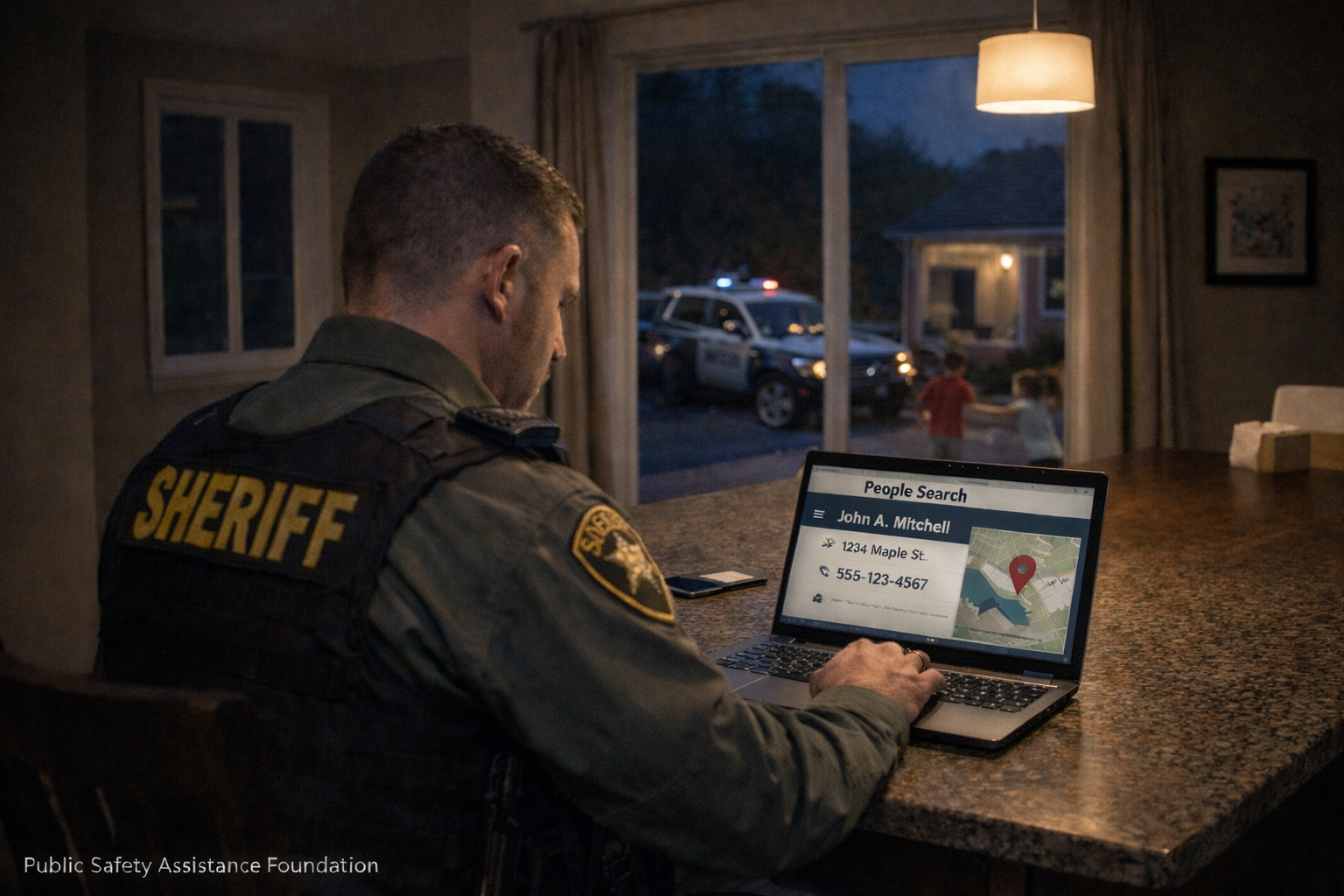
Why Sheriff’s Deputies Face Unique Online Privacy Risks When They Serve the Communities Where They Live
For many sheriff’s deputies, the drive home after a shift does not take them far from where they worked all day.
They may patrol the same county roads they later drive with their family. They may pass the same schools their children attend. They may stop for groceries in the same stores where they responded to calls earlier in the week. In many counties across the United States, the communities sheriff’s deputies protect are the same communities they call home.
That closeness is one of the defining characteristics of sheriff’s offices. It helps build familiarity and trust between law enforcement officers and the residents they serve. Deputies often become recognizable figures at local events, youth sports games, and school functions. They are not just part of the county workforce. They are neighbors.
But when the badge and the backyard share the same ZIP code, the need for online privacy protection becomes even more important.
In a time when personal information can spread quickly across the internet through people-search sites, data broker platforms, and public records databases, the line between a deputy’s professional role and personal life can become easier for others to trace. What once required significant effort to uncover can now appear with a few clicks on a search engine.
For sheriff’s deputies and their families, that growing digital visibility creates new challenges that deserve careful attention.
The Unique Role of Sheriff’s Offices
Sheriff’s offices operate differently from many municipal police departments. While city police officers typically patrol within defined city limits, sheriff’s deputies often serve entire counties. Their responsibilities may include patrolling rural roads, supporting smaller towns without their own police departments, operating county jails, providing courthouse security, and assisting during emergencies or disasters.
Because of this structure, sheriff’s deputies frequently develop strong connections within the communities they serve. In smaller counties especially, deputies are likely to know many residents by name. They may have grown up in the same region or chosen to live nearby because they value the sense of community.
This proximity often strengthens public relationships. Residents may feel more comfortable approaching a deputy they recognize from local events or community meetings. Deputies, in turn, may have a deeper understanding of the neighborhoods they patrol.
However, the same familiarity that supports community policing can also increase the importance of online privacy awareness.
When an officer lives in the jurisdiction they patrol, their personal and professional worlds naturally overlap. If personal information becomes widely visible online, the connection between a deputy and their household can become easier to identify than many people realize.
When Familiarity Becomes Discoverability
In the past, locating detailed personal information about someone required time, access to records, and often a visit to a government office. Today, the digital landscape looks very different.
A wide network of data broker websites collects and publishes personal information that may include:
- Home addresses
- Phone numbers
- Age and date of birth ranges
- Names of relatives or household members
- Previous addresses
- Property ownership information
These websites often gather data from a variety of sources, including public records, marketing databases, and commercial data exchanges. The information may then be compiled into searchable profiles that appear when someone searches a name online.
For sheriff’s deputies who live within the same county they serve, this digital visibility can create a situation where professional identity and personal location become easier to connect.
For example, a person may see a deputy’s name in a news article, community announcement, or official county website. A quick online search may then reveal listings on people-search sites showing residential addresses or other personal details.
In larger metropolitan areas, that information may still be difficult to connect to daily life. In smaller communities, however, the path from name to neighborhood can be significantly shorter.
That is why online privacy management has become an increasingly important conversation for law enforcement officers and public officials alike.
The Family Side of the Equation
When discussions about officer safety occur, the focus often centers on the individual wearing the badge. Deputies accept that their work carries responsibility and risk. They train for challenging situations and understand the demands of public service.
But behind every law enforcement officer is a household that did not take the same oath.
Spouses, partners, children, and relatives share in the routines of daily life that unfold away from patrol vehicles and station walls. They attend school events, visit parks, shop at local stores, and participate in the same community activities as their neighbors.
When personal information becomes widely visible online, the effects can extend beyond the officer.
Family members may prefer that their home address not appear across dozens of searchable websites. Parents may want greater control over how easily information about their household can be located online. Children growing up in a digital age already navigate complex social environments. Adding unnecessary exposure to family information only increases those challenges.
This is why conversations about online privacy for law enforcement officers must also include the families who stand beside them.
Protecting the officer often means protecting the household as well.
The Digital Footprint Many Officers Never See
One of the most surprising realities about personal data online is how widely it spreads across the internet.
Many law enforcement officers are familiar with a few well-known people-search websites. What they may not realize is that the same personal information can appear across dozens of platforms at the same time. Data broker networks collect information from public records, marketing databases, and commercial data exchanges, then compile it into searchable online profiles.
As a result, a single home address or phone number may appear across multiple websites without the individual ever interacting with those platforms.
Some sites allow removal requests, but the process often varies from one website to another and can require time and persistence. Even after removal from one site, the same information may continue to appear elsewhere.
For busy law enforcement officers, managing these requests individually can quickly become overwhelming. That is why a proactive approach to online privacy protection is becoming increasingly important.
Why Proactive Online Privacy Protection Matters
Online privacy protection is not about secrecy or withdrawing from the communities law enforcement officers serve.
Sheriff’s deputies remain public officials who interact with residents every day. Community trust relies on visibility and communication.
The goal of online privacy protection is different. It focuses on reducing unnecessary exposure of sensitive personal information that can circulate through commercial data networks without clear purpose.
When home addresses, phone numbers, and household connections are widely published online, the information may be accessed by anyone searching for it. Removing or reducing that visibility can help place reasonable boundaries around personal life.
Proactive online privacy services work to identify where personal information appears across data broker platforms and submit removal requests on behalf of the individual. By continuously monitoring and requesting removals across multiple sites, these services help reduce the digital footprint associated with an officer’s name.
For sheriff’s deputies who live in the same communities they patrol, taking steps to manage personal information online can help support both professional and family well-being.
Supporting the People Behind the Badge
Sheriff’s offices across the country continue to play a vital role in community safety. Deputies respond to emergencies, assist residents in need, and serve as visible representatives of public safety within their counties.
Their work often takes place in the same neighborhoods where their families live and grow.
That closeness between service and home is part of what makes sheriff’s offices unique. It also makes online privacy protection an important piece of the broader conversation about officer well-being.
When personal information spreads widely across the internet, the boundary between public service and private life can become harder to maintain. Taking steps to manage that information is not about stepping away from the community. It is about protecting the households that support those who serve.
Sheriff’s deputies dedicate their careers to safeguarding the communities around them. Their families deserve thoughtful protection as well.
Taking the First Step Toward Stronger Online Privacy
Understanding how personal information appears online is the first step toward reducing unnecessary exposure.
At Privacy for Cops, we help law enforcement officers and public officials identify where their personal information is published across data broker websites and submit removal requests on their behalf. Our service works to reduce the visibility of home addresses, phone numbers, and other personal details that can circulate widely online.
When the badge and the backyard share the same ZIP code, protecting online privacy becomes part of protecting the household behind the badge.
Exclusive Privacy Plans