
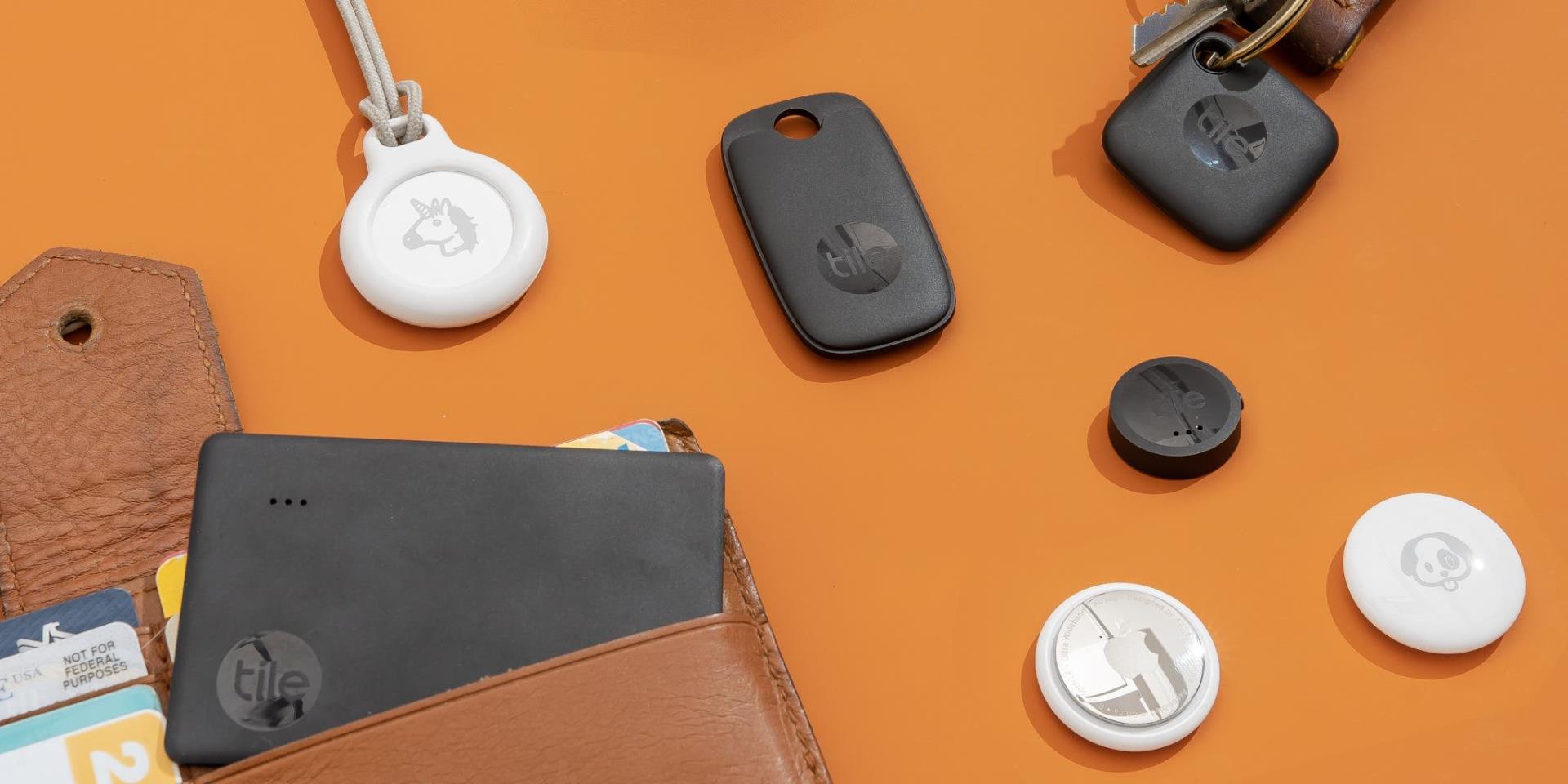
Law enforcement officers and public officials should be aware of Bluetooth-enabled tracking devices, known as e-trackers. E-trackers, such as an AirTag, SmartTag, or Life360 could be placed on their personal or government vehicles. These devices can identify and track the movements of the vehicle, which poses a high-level risk to law enforcement and their families.
Is it illegal?
Placing a tracking device on someone’s car without their permission is against the law for private citizens. Law enforcement, on the other hand, can use tracking devices—but only if they have a warrant or court order. In those cases, they’re allowed to conduct surveillance if they follow the proper legal steps. For everyone else, secretly tracking someone’s vehicle is usually a misdemeanor and can even be charged as a felony if it’s connected to stalking or harassment.
Exercise Caution!
If you are notified that an e-tracker is on your person or vehicle here are some things you can do:
- Tell someone immediately. And let them know where you are and where you are going. You can even enable Find My on an iPhone or Tracker Detect on an Android and share it with a family member, a friend, or a co-worker.
- Screenshot notifications to document a timeline of any incidents.
- Check your pockets, equipment, shoes, vehicle wheels, and exhaust for an e-tracker.
- Review your daily movements for possible exposure points.
- Avoid traveling to sensitive locations, such as home or a childcare center.
Remain vigilant for potential placement of e-trackers on your person, your vehicle, or your equipment. At Privacy for Cops, we work with law enforcement officers, public officials, and their families to remove online information that could lead a bad guy to tracking them.
Learn more at https://www.privacyforcops.org/about-us/