
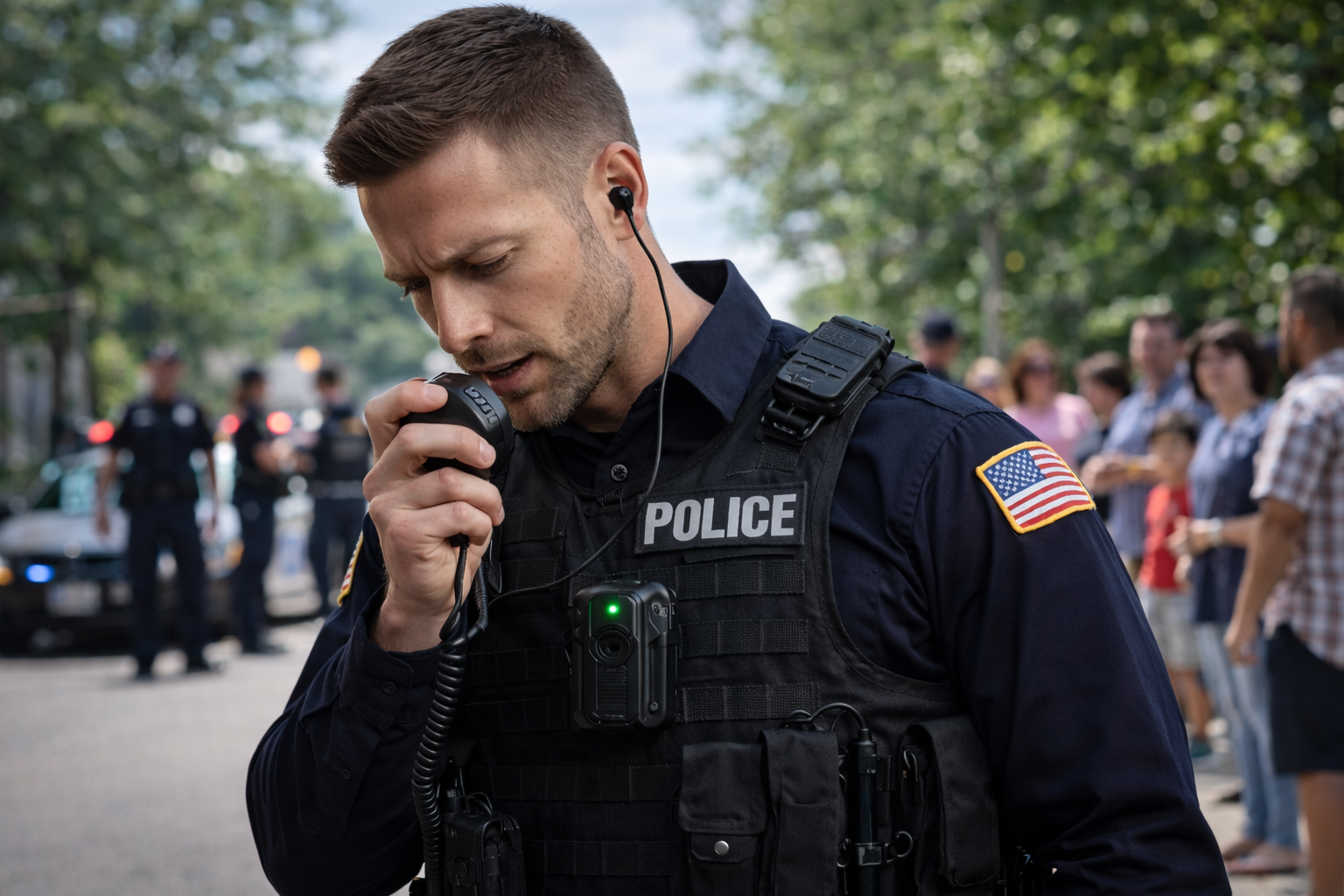
National Law Enforcement Appreciation Day is observed every year on January 9th as a dedicated moment for communities across the United States to show gratitude for the men and women who serve in law enforcement and their tireless commitment to keeping our neighborhoods safe. This observance was created in 2015 by Concerns of Police Survivors, or C.O.P.S., and other organizations to highlight the importance of recognizing and appreciating law enforcement professionals for their service and sacrifice. It is a day for citizens to express their thanks, to acknowledge the often-unseen risks officers face, and to encourage stronger understanding and trust between law enforcement and the public. National Law Enforcement Appreciation Day emphasizes the humanity behind the badge and reminds communities that officers are individuals who work daily to maintain public safety and uphold the rule of law.
The Role of Technology in Modern Policing
As technology evolves, so too does the law enforcement landscape. Innovations such as artificial intelligence, particularly in systems like AI-enabled body cameras, are reshaping how officers gather, process, and use information in the field. These tools offer opportunities to enhance efficiency and safety for officers and communities while also presenting new challenges that must be carefully addressed. On this National Law Enforcement Appreciation Day, as we celebrate the service of officers, it is also important to consider how technology can both support and complicate their work and how Privacy for Cops is committed to protecting officers online data as these tools become more widely adopted.
Benefits of AI in Body Cameras
Artificial intelligence in law enforcement is gaining traction, especially when paired with body-worn cameras. Traditional body cameras have already transformed policing by providing objective video records of interactions between officers and the public. AI integration takes this a step further by offering features such as real-time transcription of incidents, automated tagging and indexing of video clips, on-demand translation for individuals speaking different languages, and analytical insights that can save time and reduce the administrative burden on officers. These capabilities allow officers to spend less time on paperwork and more time focused on community engagement and safety. AI-enabled systems can also speed access to critical information during high-pressure situations, potentially improving situational awareness and minimizing misunderstandings.
How AI Body Cameras Are Changing Daily Police Work
Artificial intelligence–enabled body cameras are not just influencing policy discussions or long-term strategy. They are already changing the way officers work during everyday shifts. From the moment an officer begins patrol to the end-of-shift report review, AI-powered tools are becoming part of routine law enforcement operations. These systems can automatically capture, organize, and contextualize interactions, reducing the amount of time officers spend manually documenting incidents. Instead of relying solely on memory and handwritten notes, officers can review accurate transcriptions and time-stamped footage that supports clearer, more consistent reporting.
During calls for service, AI body cameras can help officers stay focused on the situation in front of them rather than worrying about documentation details. Automated tagging and searchable video clips allow officers and supervisors to quickly locate relevant moments without reviewing hours of footage. In multilingual communities, real-time translation capabilities can help officers communicate more effectively, reducing misunderstandings and improving outcomes during critical interactions. These features are particularly valuable in high-pressure environments where clarity and speed are essential.
AI technology also supports officers after an incident occurs. Report writing, one of the most time-consuming aspects of policing, can be streamlined through AI-assisted summaries that provide a starting point for documentation. Officers still review and finalize reports, but the initial workload is significantly reduced. This not only saves time but also helps reduce fatigue, allowing officers to leave work on time and maintain a healthier balance between professional and personal responsibilities. When used responsibly and with proper oversight, AI body cameras can make daily police work more efficient, accurate, and sustainable.
The Importance of Human Oversight
While AI offers tremendous benefits, it is not flawless and must never replace human judgment. Experts caution that AI may misinterpret behavior, misidentify language or context, or introduce bias into reports. A sarcastic remark, an expression of frustration, or subtle body language could be misread, resulting in a mischaracterized report. Generative AI tools can also occasionally produce inaccurate details if officers approve content without careful review. Therefore, human oversight is essential, and officers must remain the final authority in documenting interactions and determining the facts of each situation. AI should serve as a tool to support officers, not replace their judgment or decision-making capabilities.
The Growing Need for Officer Privacy
While AI addresses operational efficiency and accountability, there is another critical layer of risk that technology does not automatically mitigate: the exposure of officers’ personal information. Public records, social media posts, mapping services, and data broker sites can reveal home addresses, family connections, daily routines, and other sensitive details. When combined with surveillance technologies such as AI body cameras, drones, or public video feeds, this information can create a comprehensive profile of an officer that could be exploited by malicious actors. Protecting officers’ privacy off duty is as important as their safety on duty. A compromised digital footprint can lead to harassment, targeted threats, or attempts to identify patterns in an officer’s work and personal life. Privacy and operational security must therefore be addressed alongside technological innovation.
How Privacy for Cops Protects Law Enforcement
The Public Safety Assistance Foundation, also known as Privacy for Cops, helps law enforcement officers protect their personal data so that their digital footprints do not become tools that compromise their safety. Our services focus on removing officers’ information from commercial data broker lists, people search sites, and other public databases that make sensitive details easily discoverable. By reducing the visibility of an officer’s personal information, we help mitigate the risk that such data could be cross-referenced with technology like AI surveillance tools or drones to track movements or gather patterns that should remain private. This proactive approach to privacy is an integral part of overall safety and peace of mind for officers and their families.
Data Governance and Responsible AI Policies
Another important aspect of privacy and technology is data governance and retention policies. Departments adopting AI-enabled recording devices must establish clear policies that govern how recordings are stored, who has access, how long records are retained, and how sensitive information is protected. Without strong policies, the very technologies intended to improve transparency, and accountability could expose officers to privacy breaches or misuse of their data. Training officers on these policies and providing clear guidance on the appropriate use of AI tools reinforces the idea that technology should be a support, not a risk.
Celebrating and Supporting Officers Beyond Recognition
National Law Enforcement Appreciation Day is a time to show gratitude for the bravery, commitment, and professionalism of officers across the nation. It is a reminder that the work of law enforcement is not just a profession but a calling that often requires difficult decisions, personal sacrifice, and a dedication to public service. Recognizing officers for their service also means acknowledging the unique risks they face, including those that arise from technological change. By embracing innovation while remaining mindful of privacy and safety challenges, communities and departments can support officers in a holistic way that honors their service and protects their well-being.
Strengthening Appreciation Through Action
National Law Enforcement Appreciation Day is more than a symbolic observance. While words of gratitude and public recognition are meaningful, true appreciation also comes through action. Supporting law enforcement means ensuring officers have access to tools, policies, and protections that keep them safe both on duty and off duty. In a time when technology continues to evolve and digital exposure is increasing; proactive privacy protection is an essential part of that support.
Departments and agencies can demonstrate appreciation by taking steps to safeguard officers’ online personal information, educating personnel on digital risks, and implementing privacy-conscious policies alongside new technologies. Individual officers can benefit from services that reduce online exposure and help protect their families from unnecessary risk. Privacy for Cops exists to help turn appreciation into meaningful protection by addressing the privacy challenges that modern policing creates.
As we recognize National Law Enforcement Appreciation Day, we encourage departments, leaders, and officers to move beyond acknowledgment and toward action. Investing in officer privacy, responsible technology use, and long-term safety measures sends a clear message of respect and support.
Take Action: Learn How We Can Help Your Department Reduce Privacy Risks
Law enforcement officers deserve our respect and support not only today but every day. They are entrusted with public safety and must be equipped with effective tools and protections that allow them to serve confidently and securely. Privacy for Cops is dedicated to providing those protections by safeguarding officers’ personal information and helping them navigate the evolving risks associated with digital and technological advancements.
On this National Law Enforcement Appreciation Day, take action to protect the heroes in your community by securing their online privacy and supporting their operational safety. Contact Privacy for Cops today to learn how we can help your department or officers reduce privacy risks, protect personal information, and embrace technology responsibly and securely.
Police Officer Associations & Groups
Exclusive Privacy Plans