
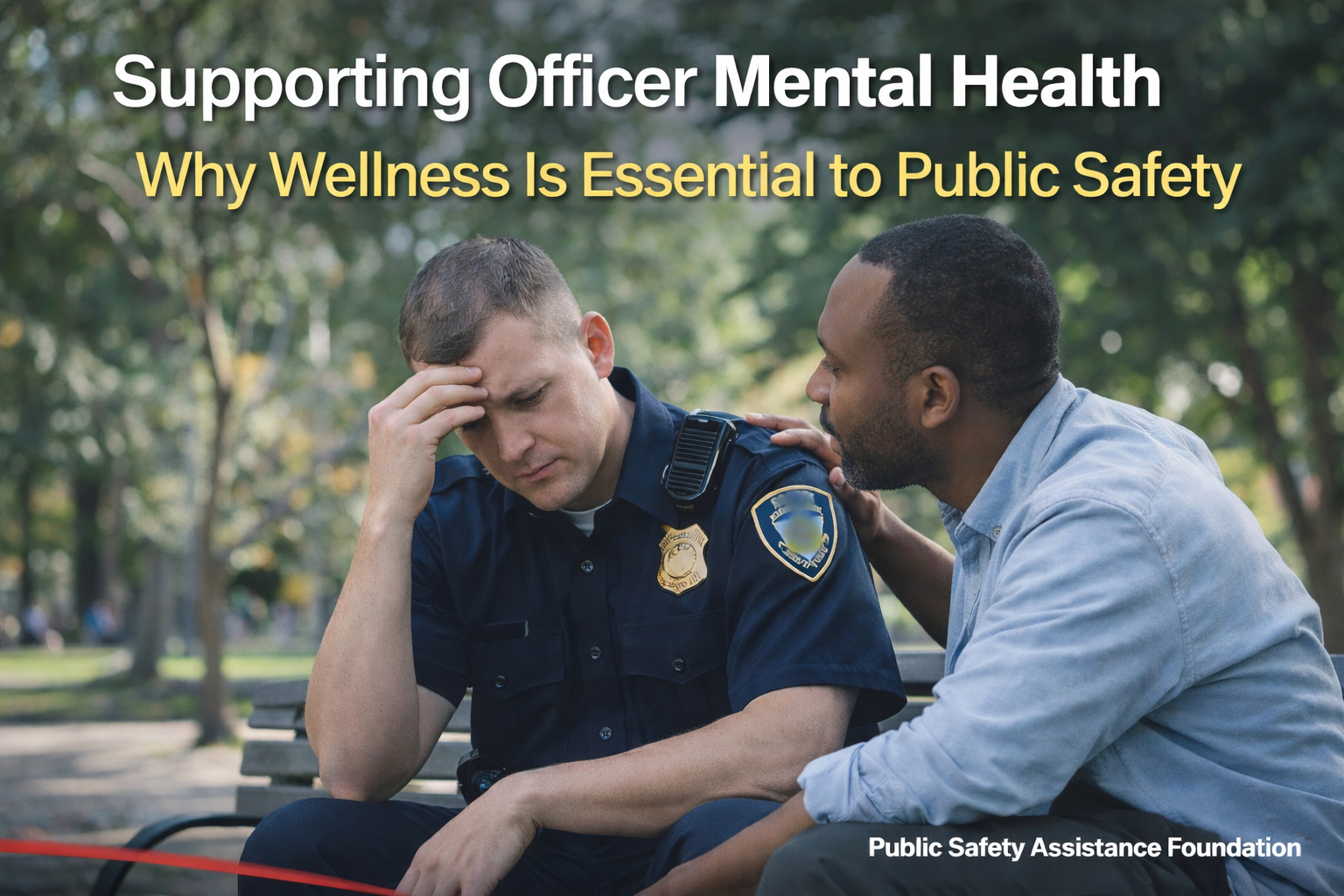
Law enforcement officers are trained to manage chaos, respond to danger, and make critical decisions under pressure. But behind every badge is a human being carrying stress, responsibility, and often trauma. Those pressures do not disappear at the end of a shift.
The Law Enforcement Mental Health and Wellness Act recognizes what officers and their families have long understood. Law enforcement professionals need and deserve meaningful support for their mental and emotional well-being. Just as people in every other profession seek help to manage stress, anxiety, or burnout, officers should feel empowered to do the same without stigma.
Mental health is not a weakness. It is a fundamental part of officer safety, effectiveness, and long-term resilience.
Why Officer Wellness Matters Beyond the Individual
When stress is left unmanaged, it rarely stays contained. It often appears in subtle but important ways. Tone of voice, patience, emotional regulation, and decision-making can all be affected.
Over time, stress can spill into:
- Interactions with the public
- Relationships with coworkers
- Dynamics at home with family and friends
- Physical health, sleep quality, and emotional balance
This is not about blame. It is about understanding the human impact of prolonged exposure to high-stress environments.
Supporting officer wellness strengthens not only individuals, but also departments and communities. Healthy officers are better equipped to serve with clarity, professionalism, and compassion.
The Unique Stressors of Law Enforcement
Law enforcement stress differs from many other professions. Officers routinely face:
- Exposure to trauma and violence
- Hypervigilance and constant situational awareness
- Irregular schedules and disrupted sleep
- Public scrutiny and criticism
- The pressure to make split-second decisions
These stressors accumulate. Even the most experienced and capable officers can feel overwhelmed if they do not have effective tools and support systems in place.
Wellness is not about removing stress entirely. It is about learning how to manage it in healthy, sustainable ways.
8 Ways Officers Can Better Manage Stress
1. Build and Maintain a Support System
Emotional support is critical when facing obstacles in life, especially in a profession that often requires emotional restraint. Officers benefit from having people they can speak to openly and honestly.
A support system may include trusted coworkers, family members, friends, mentors, or peer support groups. The key is connection. Isolation allows stress to grow unchecked, while connection helps put challenges into perspective.
2. Make Physical Activity a Regular Habit
Physical movement plays a powerful role in stress management. Exercise releases endorphins, improves mood, and helps regulate anxiety and sleep.
This does not require a rigid fitness routine. Walking, running, biking, hiking, swimming, or recreational sports all count. Consistency matters more than intensity.
Caring for physical health directly supports mental well-being.
3. Prioritize Sleep Whenever Possible
Sleep is one of the most effective tools for managing stress. It supports concentration, emotional regulation, reaction time, and decision-making.
Shift work makes sleep difficult for many officers, but prioritizing rest when possible is essential. Quality sleep allows the brain to recover and process daily stressors.
Better sleep leads to safer decisions and improved emotional balance.
4. Do Not Let the Job Become Your Entire Identity
Law enforcement is a profession, not a complete identity. When work becomes the sole focus, stress can dominate every aspect of life.
Officers benefit from interests and relationships outside of the job. Time with family and friends, hobbies, volunteering, or creative outlets help restore balance and perspective.
A well-rounded life supports long-term mental health.
5. Step Outside Your Own Head
Confidence is important in policing, but unchecked ego can increase stress and isolation. Feeling the need to handle everything alone often makes challenges heavier.
Self-awareness and humility allow officers to learn, adapt, and connect with others. Treating people with respect, including oneself, reduces unnecessary pressure.
Strength includes knowing when to ask for support.
6. Speak With a Mental Health Professional
Seeking professional help is a proactive choice, not a sign of failure. Therapists and counselors provide tools for managing stress, trauma, and emotional fatigue.
While stigma still exists in some areas of law enforcement, attitudes are shifting. Officers deserve access to mental health care just as much as physical care.
Prioritizing mental health is an investment in longevity and effectiveness.
7. Make Healthier Nutrition Choices
Nutrition affects energy levels, mood stability, and overall resilience. While schedules can be demanding, small, intentional choices make a difference.
Focusing on fruits, vegetables, lean proteins, whole grains, and healthy fats supports both physical and mental health. When time is limited, simple options like smoothies, nuts, or balanced sandwiches can help maintain energy throughout long shifts.
Fueling the body well supports clearer thinking and emotional regulation.
8. Communicate Openly with Leadership
Honest communication with supervisors is critical. Officers are valuable resources, not replaceable parts. Departments are stronger when officers feel heard and supported.
If stress becomes overwhelming, speaking up can lead to accommodations, resources, or support before problems escalate. Leadership is far more likely to help than risk burnout or losing experienced personnel.
Asking for support reflects commitment to the job and to long-term service.
Wellness Requires Cultural Support
Individual strategies matter, but officer wellness must also be reinforced at the organizational level. Leadership attitudes, policies, peer support programs, and access to resources all influence whether officers feel safe prioritizing their mental health.
The Law Enforcement Mental Health and Wellness Act represents progress. Lasting change happens when wellness is integrated into daily culture, not treated as an afterthought.
Healthy officers contribute to safer departments and stronger communities.
The Connection Between Privacy and Wellness
Mental health stress does not exist in isolation. Online exposure, harassment, and threats create additional strain for many officers and their families.
At Privacy for Cops, we recognize that digital safety supports mental well-being. Reducing online exposure helps limit doxxing, harassment, and unwanted scrutiny. These pressures often contribute to chronic stress and anxiety.
Protecting personal information is one more way to support officer wellness beyond the uniform.
Wellness Is Not Optional
Law enforcement will always be demanding. Suffering in silence, however, does not need to be part of the job.
Supporting officer mental health protects individuals, families, departments, and the public they serve. Wellness is not about perfection. It is about sustainability, support, and recognizing the human side of service.